By Oluchi tobex tobe-Chukwu
In the agonizing aftermath of the Super Falcons’ historic failure to qualify for the 2027 FIFA Women’s World Cup, team captain Rasheedat Ajibade has delivered a raw, impassioned plea to her teammates, demanding a total shift in mentality and total accountability across the board.
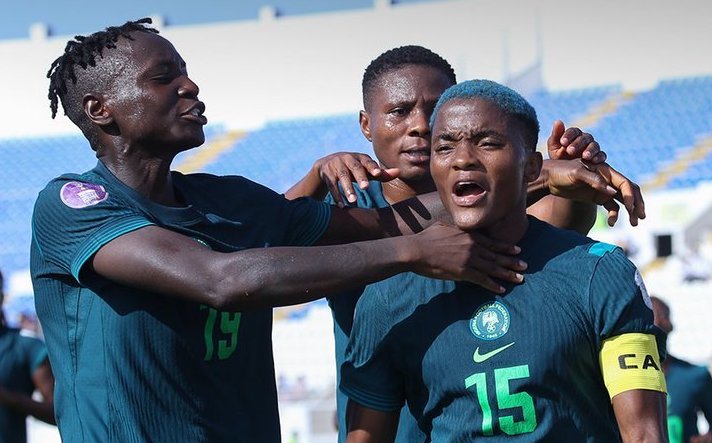
Speaking in the wake of the devastating 2-1 playoff defeat to South Africa’s Banyana Banyana, the Paris St Germain star refused to make excuses. Instead, she chose to confront the harsh reality of Nigeria’s current standing in African women’s football, urging the squad to treat this historic low as a desperately needed wake-up call.
For decades, the Super Falcons walked onto the pitch with an aura of invincibility, secure in their status as the undisputed queens of the continent. However, with the rapid rise of teams like South Africa and Morocco, Ajibade admits that the landscape has irrevocably changed.

“We should learn not to be lax because the competition is fierce now,” Ajibade stated candidly, reflecting on the team’s abysmal run that saw them lose three out of five matches. “We must realize we’re not invincible; we just need to prepare more, get better, and demand more of ourselves individually and collectively.”
Her words capture the shifting tide in African football. Relying purely on past glory and historical pedigree is no longer enough to secure victories, and the captain was unequivocal in her assertion that complacency can no longer be tolerated in the Nigerian camp.
A Call for Ultimate Responsibility :
Carrying the heavy burden of the captain’s armband during this dark chapter, Ajibade stressed that pointing fingers will not solve the team’s underlying issues. She insisted that the squad must now “tighten up” and become acutely conscious of their duties, both in their tactical execution on the pitch and their professional conduct off it.
She issued a direct challenge to every single player to look in the mirror, take greater personal responsibility, and evaluate what more they can contribute to the team’s overall progress. The days of riding on the coattails of individual brilliance are over; total collective effort is now the minimum requirement.
Finding Gratitude in Heartbreak :
Despite the crushing disappointment of missing out on a tournament Nigeria has attended since its inception in 1991, Ajibade displayed remarkable grace by highlighting the importance of perspective.
“To be honest, my biggest lesson is just gratitude. We should be grateful,” she reflected.
For the captain, this gratitude stems not from the defeat itself, but from the privilege of wearing the national colors and the harsh, invaluable lessons that failure provides. It is a grounding sentiment meant to strip away the team’s entitlement and remind them of the work required to earn success.
With the disappointment of the World Cup miss still very fresh, Ajibade’s message is a clear directive to her squad: the mourning period must quickly transition into a period of relentless preparation.
The captain’s emotional yet commanding post-mortem reflects a fierce determination to turn this national sporting tragedy into a foundational learning experience. If the Super Falcons are to reclaim their lost glory and honor the badge, they must heed their captain’s call—working harder, preparing better, and never taking their place at the top for granted again.